Upload your drawing or 3D file and get a fast feasibility review from our own MIM production team — material direction, manufacturability, tolerance, and a clear path from prototype to volume production.
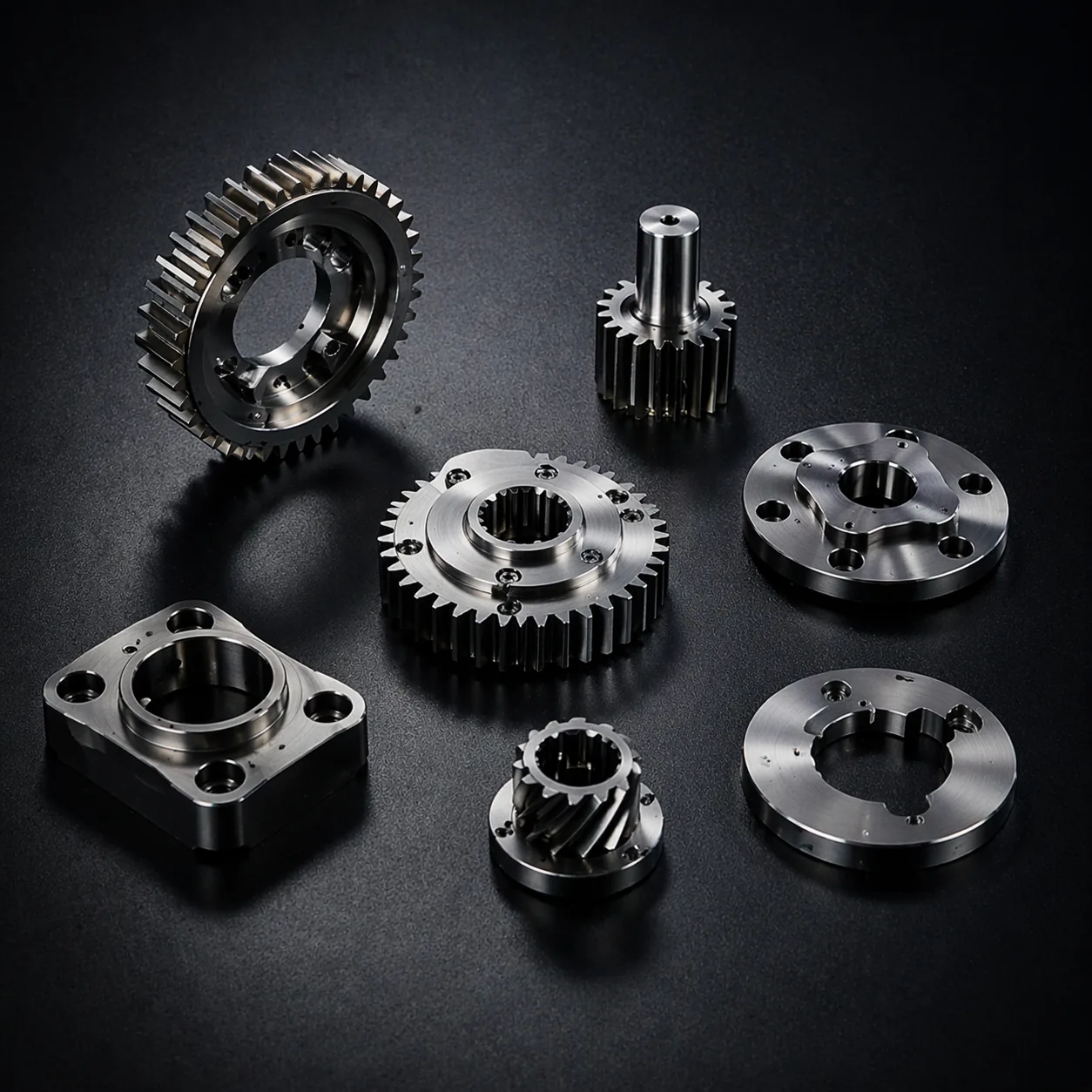
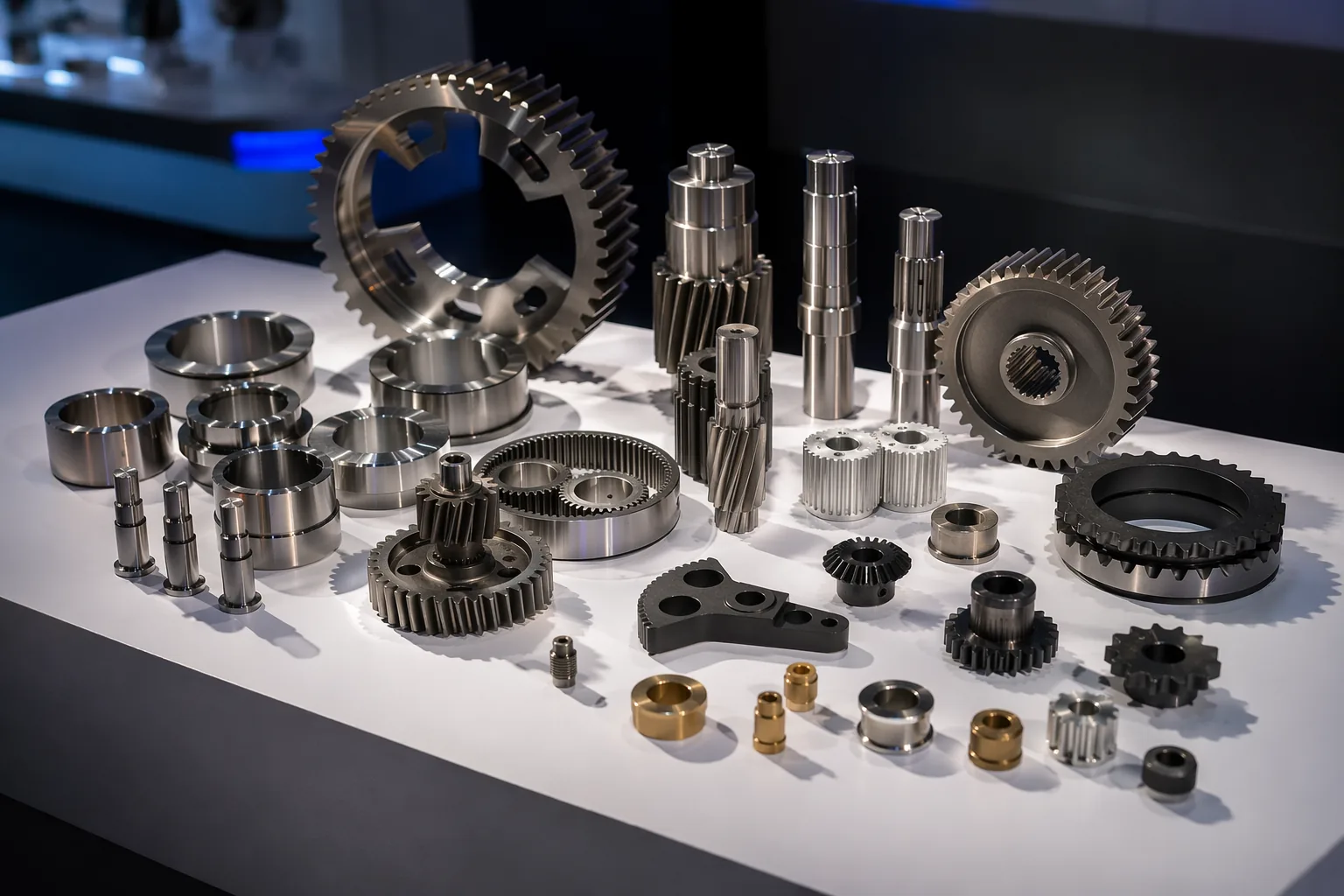
Many small metal parts are still produced through CNC machining, multiple secondary operations, or multi-piece assembly even when MIM may be a more efficient route.
If your part is small, complex, and intended for repeat production, MIM may help reduce unnecessary machining, combine multiple features into one part, and create a more scalable production path.
We review the drawing from our own press side and tell you if MIM is the right route before you commit.
We manufacture MIM parts for engineering teams that need a reliable production partner for small, complex metal components — drawing review, tooling, pressing, debinding, sintering, and secondary operations all run under one roof.
Assess whether MIM suits your part based on geometry, expected volume, material direction, and tolerance requirements.
Identify wall thickness concerns, undercuts, secondary machining needs, and features that affect production stability or cost.
Align the project around realistic material options such as stainless steels and other commonly used MIM alloys.
From first sample to scheduled volume — all run on our own presses and finishing line.
MIM is not the right answer for every metal part. It is most useful when the part is small, complex, and intended for repeated production.
If you are not sure, send the drawing. We will review it against our own pressing, debinding, and sintering limits and give a direct answer.
Send Drawing for JudgmentCombine multiple features or components into a more integrated part design.
Reduce unnecessary machining, handling, and assembly steps where possible.
A more repeatable manufacturing path for parts that need ongoing supply.
Support shapes and features difficult to produce through conventional machining alone.
Each project is reviewed case by case. We match realistic material and finishing options against your drawing, performance needs, and production volume — all done in-house.
Typical projects may involve stainless steel, precipitation-hardening stainless steel, and other commonly used metal alloys depending on the application.
The goal is not to force every part into MIM. The goal is to identify the most workable route for your part.
We focus on small, precise metal components used in industrial and commercial applications.
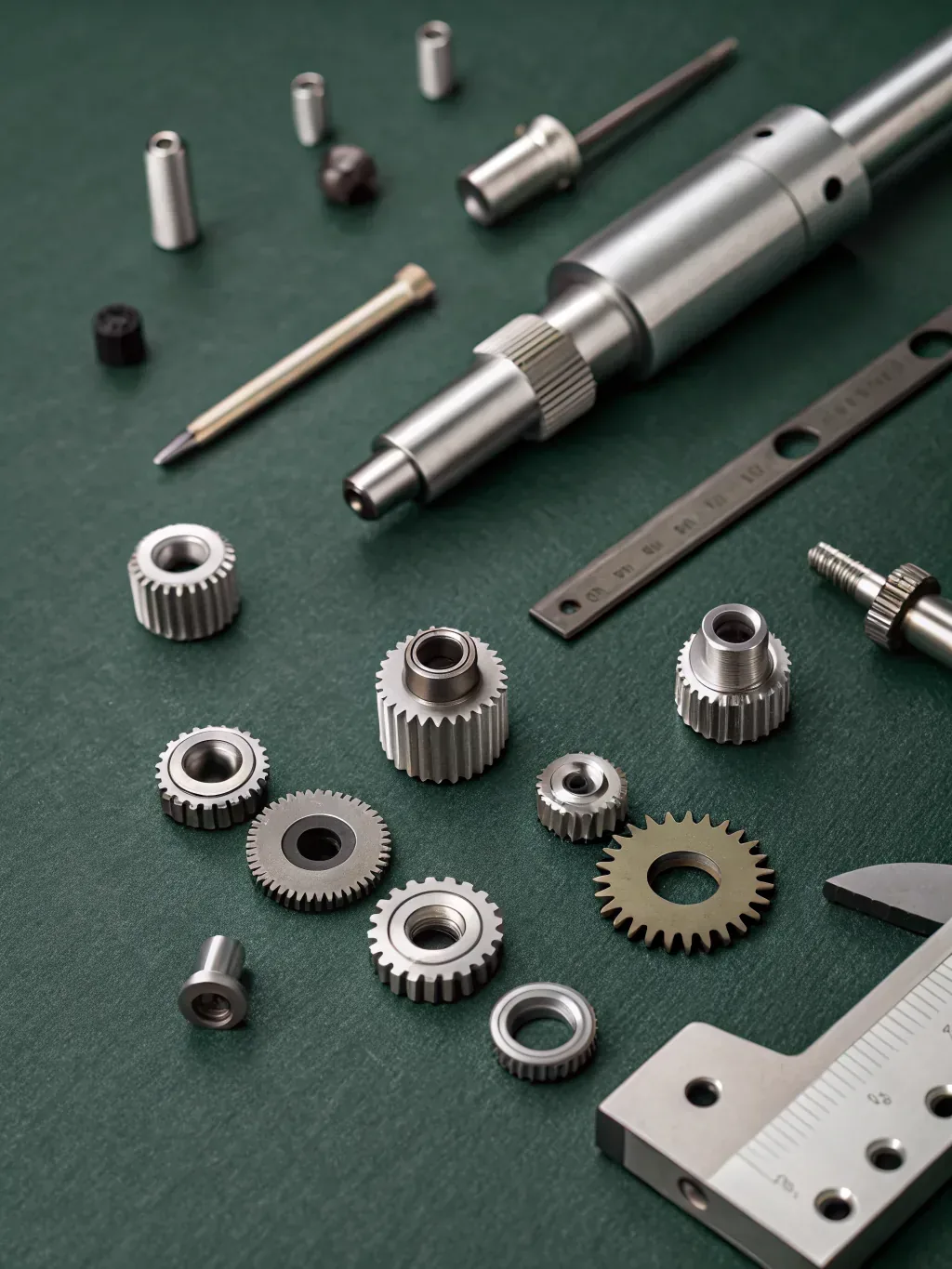
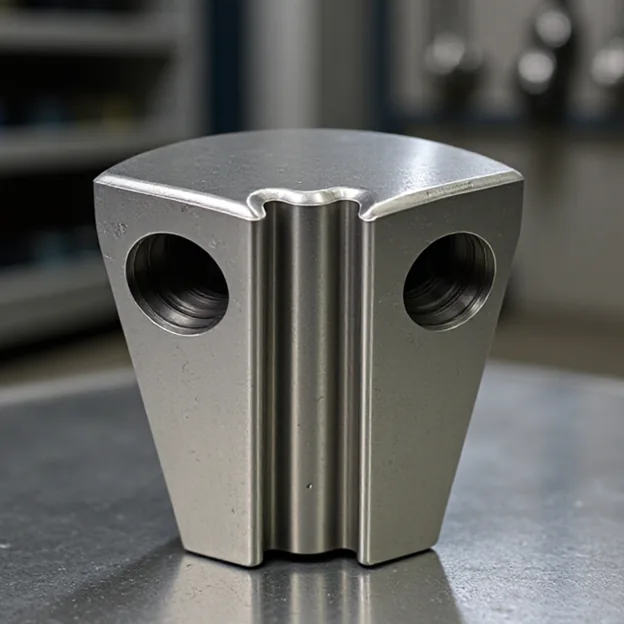
Levers, brackets, hinges for power tools, medical devices, automation equipment.
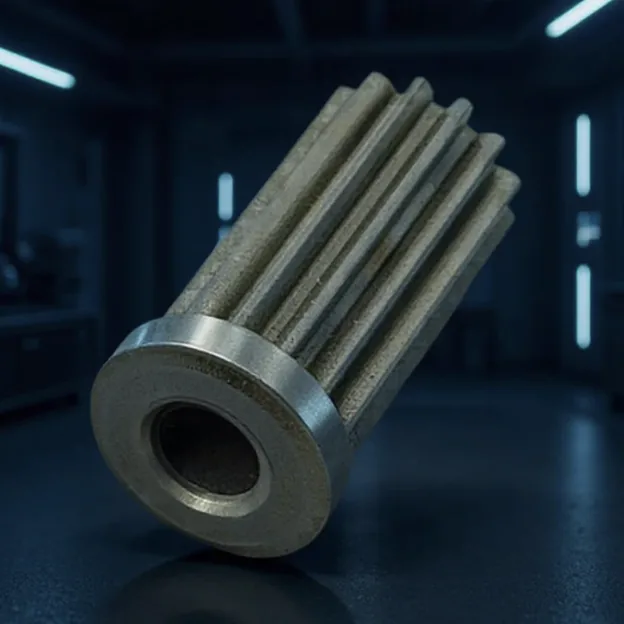
Shells, pins, housings for industrial connectors, sensors, telecom hardware.
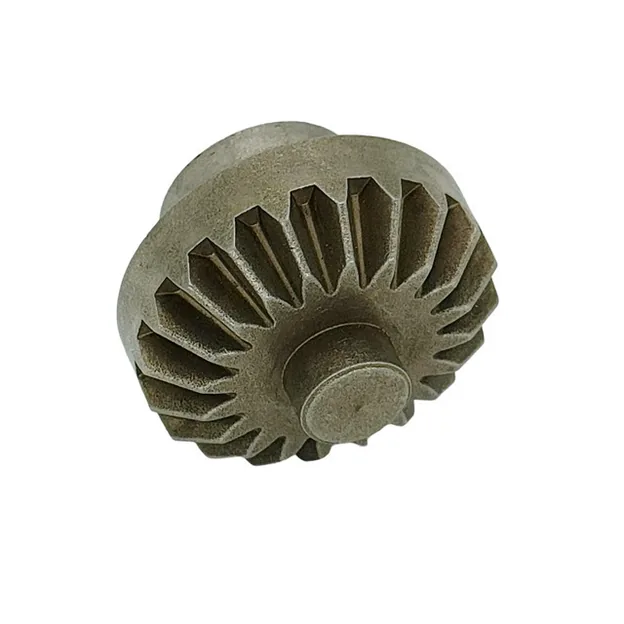
Latches, cams, strike parts for smart locks, safes, access control systems.
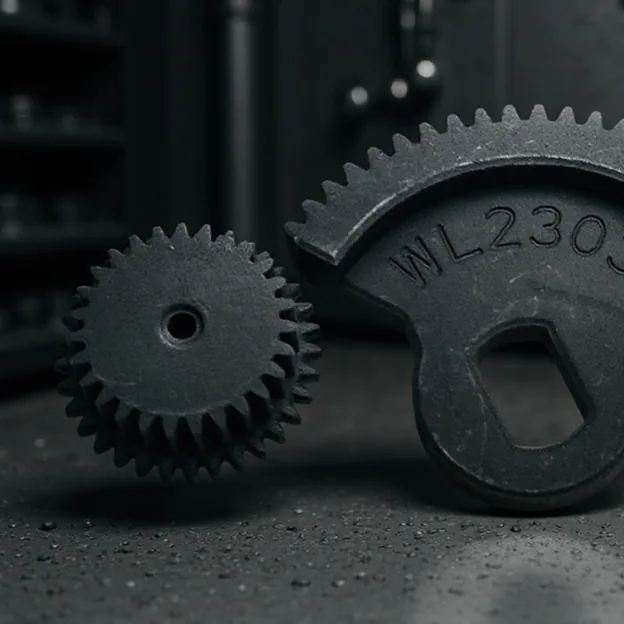
Spur gears, pinions, ratchets for gearboxes, appliances, e-bike drive units.
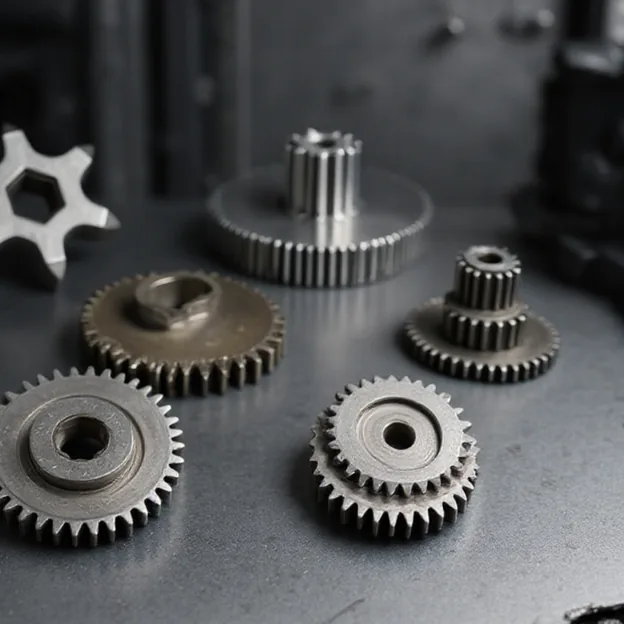
Bits, inserts, wrench heads for hand tools, cutting tools, fastening equipment.
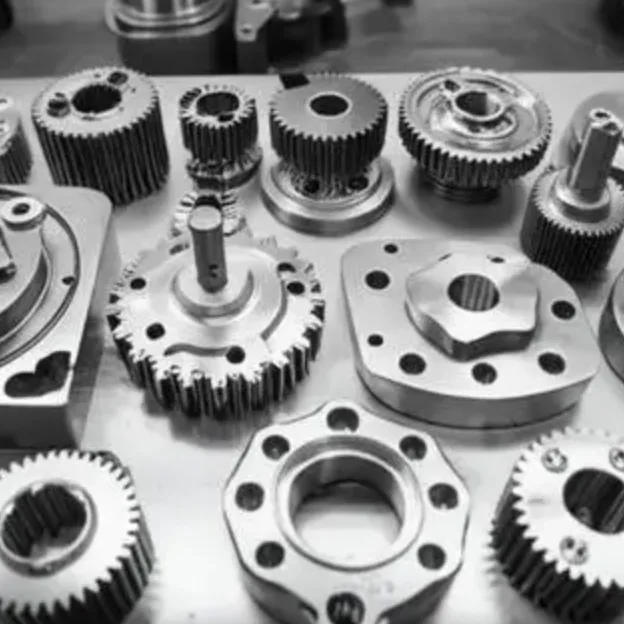
Non-standard small parts for industrial hardware, watches, aerospace, surgical instruments.
The earlier the drawing is reviewed, the easier it is to avoid the wrong process path.
Upload your 2D drawing, 3D file, or basic project information.
We review the part for MIM suitability, production logic, and major risk points.
Clarify material direction, quantities, key dimensions, and any secondary process requirements.
If the project fits, we issue the quote directly, confirm tooling and production timing.
We sample, validate, and scale to volume production on our own presses.
MIM projects often fail early for simple reasons: the wrong process was assumed, the drawing was not screened against real pressing limits, or changes got lost between engineering and the shop floor.
Because we run the presses ourselves, the drawing review and the production floor are the same team — fewer hand-offs, fewer surprises.
Our engineers look at your drawing directly, not through a sales layer.
Answers come from the press floor, grounded in what we actually run.
We evaluate real parts against real tooling, not vague descriptions.
Your drawing, the tooling, and the press that runs it all stay on the same desk.
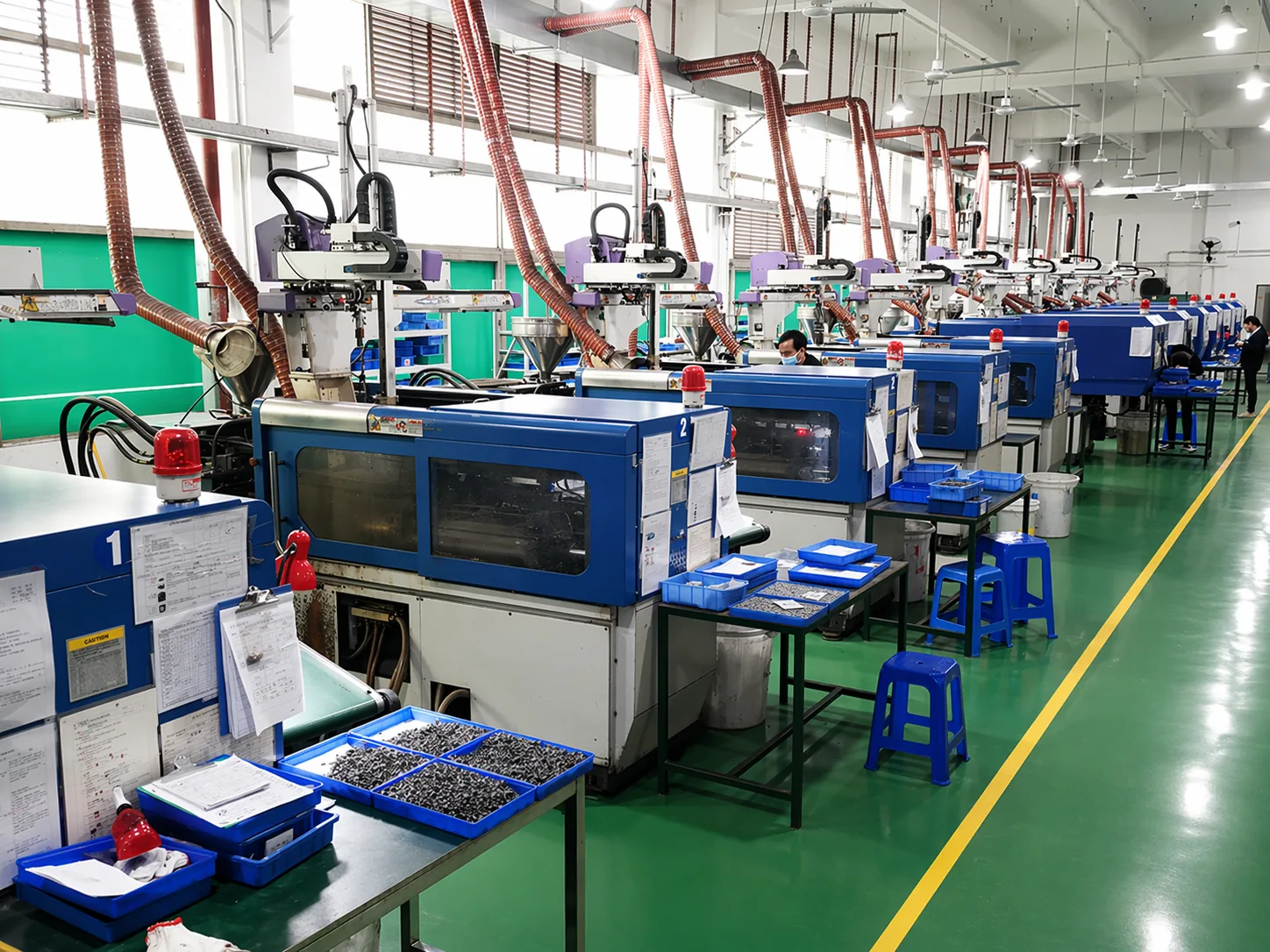
Zetar Industry Co., Ltd. has been running injection molding programs out of Shanghai since 2005 — 45+ presses, ISO 9001 / 13485 / 14001 / 45001 quality systems, and 30+ English-speaking project managers delivering 100+ molds per month.
We now run MIM production on that same infrastructure — small, complex metal parts manufactured in-house under the same quality system.
Send your drawing or project brief. We review MIM feasibility, confirm material and tolerance direction, and quote production directly from our own press floor.
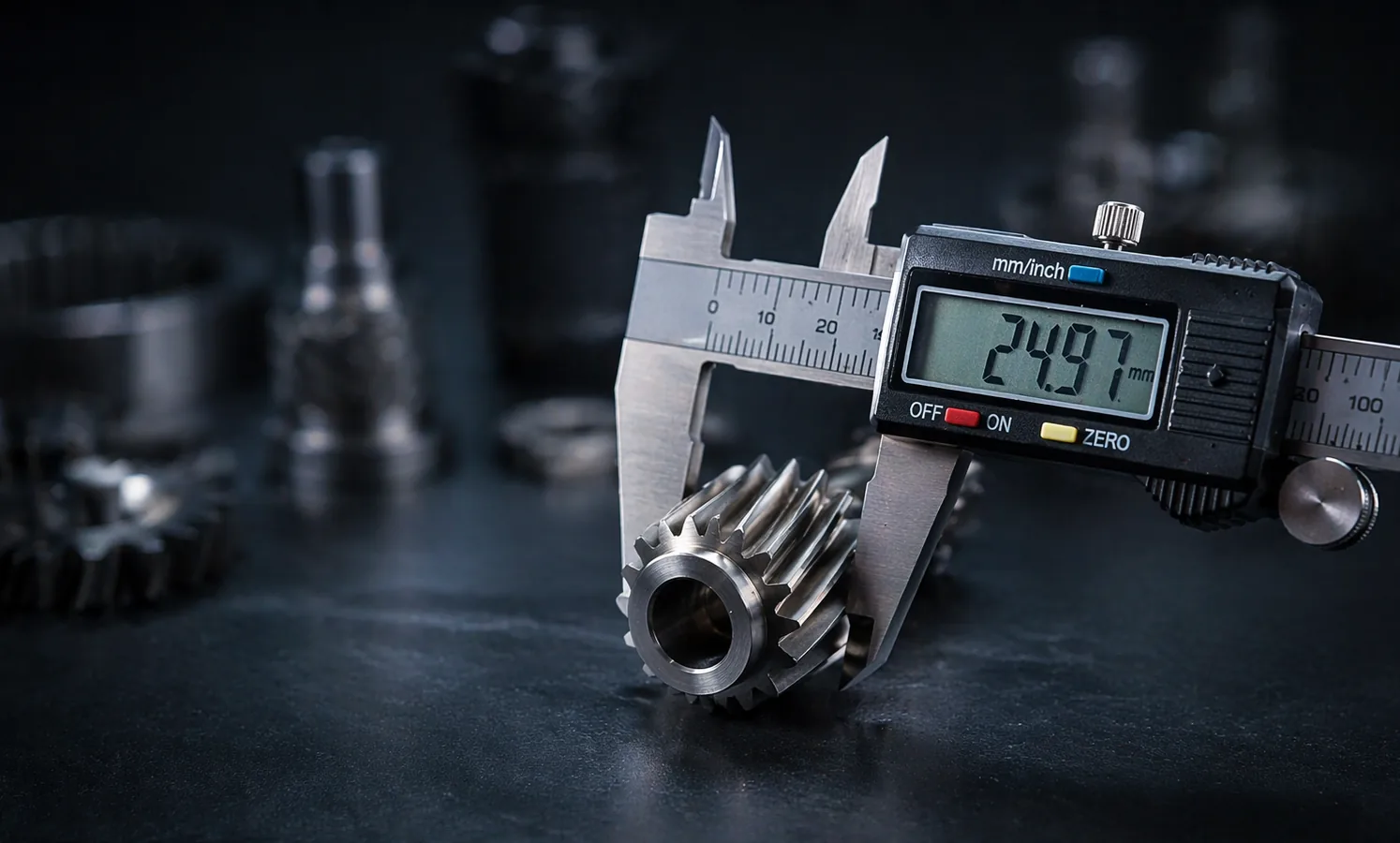
The more technical detail you share, the faster we can assess whether your part is a good fit.
Yes. That is one of the main reasons engineers come to us. We review the drawing from our own press-side and judge whether MIM is the right route based on geometry, production logic, and project goals.
A 2D drawing, 3D file, or both is best. If you do not have final files ready, you can still send basic specifications and part photos for an initial discussion.
Yes. Many inquiries start from parts that are currently machined or assembled through multiple operations. We can help review whether a shift toward MIM is worth evaluating.
Project suitability depends on the part and the commercial context. Volume is important, but it is only one part of the decision.
Yes. If the project is suitable, prototype discussion can be part of the next-step planning.
Yes. NDA discussion is available when needed.
Zetar Industry manufactures small, complex MIM parts in Shanghai. Engineering teams send us a drawing; we review manufacturability, de-risk tooling, and produce on our own press floor — no middleman, no supplier chain.
We believe the best starting point is always the real part drawing.
Start with the drawing. Then decide the process.